
Younger donors bring new giving approach
Key takeaways
- Nearly nine in 10 wealthy Americans, or 89%, gave to charity in 2025, most often supporting basic needs, health care and disaster relief.
- Nearly half of wealthy Americans, or 49%, volunteered in 2025, up from 42% in 2023.
- Gen Z and millennial donors support an average of 12 charitable causes, compared with eight among wealthy donors overall, and are more likely to use charitable trusts, family foundations, fundraising and mentorship.
- Despite strong engagement from younger donors, 47% of wealthy Americans believe the next generation is prepared to take on family philanthropic causes, down from 55% in 2024.
New research from Bank of America Private Bank finds a new generation of wealthy donors is reshaping philanthropy by supporting more causes and using a broader range of charitable tools than previous generations. Gen Z and millennial donors support an average of 12 causes, compared with eight among wealthy donors overall. Yet confidence in philanthropic succession is declining, with 47% of wealthy Americans saying the next generation is prepared to take on family philanthropic causes, down from 55% in 2024.
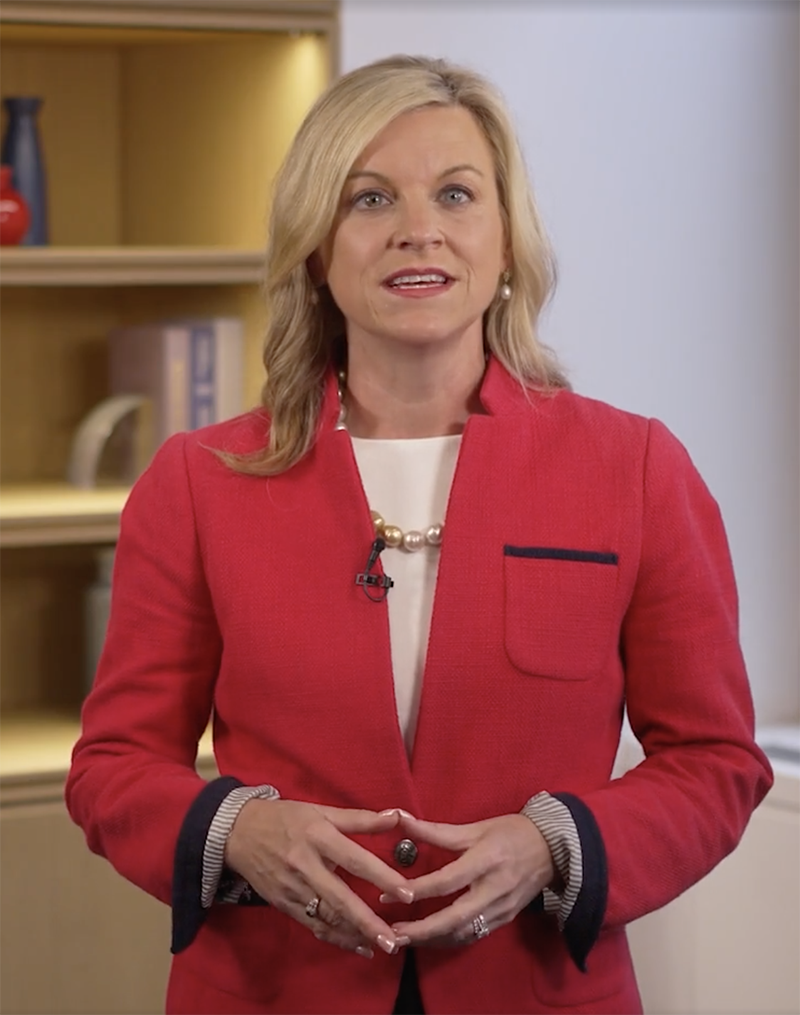
“Philanthropy is becoming increasingly multigenerational,” said Jennifer Chandler, head of philanthropic solutions at Bank of America Private Bank. “Younger donors want to honor the charitable traditions that shaped them, but they also want to define their own impact. The opportunity for families is to engage the next generation early, creating a shared vision for giving while allowing room for new priorities and approaches.”
Younger donors expand giving strategies
- Gen Z and millennial donors support an average of 12 charitable causes, compared with eight among wealthy donors overall.
- Younger donors are less likely to give through direct cash contributions — 56%, compared with 92% of boomer and Silent Generation donors — but are more likely to use a broader range of philanthropic approaches, including charitable trusts, family foundations, fundraising and mentorship.
- Younger donors are balancing tradition and individuality: 87% say it is important to honor their family’s philanthropic legacy, while 86% say it is equally important to establish their own charitable identity.
- The share of parents who believe their children share the same commitment to giving back through philanthropy fell to 65% from 76% in 2024.
- Fewer than half of wealthy individuals, or 47%, believe the next generation is prepared to take on family philanthropic causes, down from 55% in 2024.
Giving remains strong as priorities shift
- Nearly nine in 10 wealthy Americans, or 89%, contributed to charitable causes in 2025, supporting an average of eight causes. The most common areas of support were basic needs, at 86%; health care, at 72%; and disaster relief, at 68%.
- Philanthropy remains closely tied to impact and personal conviction. Among donors, 87% said they give because they believe they can make a difference, while 83% cited personal values or beliefs, including religious, political and philosophical views.
- Donors are increasingly looking beyond financial contributions, with 49% volunteering their time in 2025, up from 42% in 2023.
- More than one-third of wealthy individuals, or 36%, said their philanthropic priorities changed over the past year.
- Despite a strong sense of purpose, 25% of philanthropists said they do not measure the impact of their giving at all. That share rises to 31% among boomer and Silent Generation donors.
Donor-advised funds offer room for growth
- Nearly one in 10 wealthy individuals currently use a donor-advised fund, or DAF. Adoption is about twice as high among Gen Z and millennial donors, and 75% of current DAF users plan to increase contributions over the next three years.
- Current DAF users cited strong benefits, including the ability to invest assets for tax-free growth, at 98%; maximize tax benefits, at 96%; and simplify charitable giving, at 94%.
- Awareness remains a barrier: Only 14% of nonusers strongly agreed that they understand how DAFs work.
Read more about the study findings: Building trust in Agentic Commerce (PDF)
Frequently asked questions
Question: What trends are shaping philanthropy among wealthy Americans today?
Answer: Our latest study found that philanthropy remains a priority for wealthy Americans, with 89 percent89% contributing to charitable causes in 2025. At the same time, giving is becoming more dynamic and personalized. More than one-third of donors say their philanthropic priorities have changed over the past year. Donors are also engaging in new ways, with volunteerism rising from 42 percent42% in 2023 to 49 percent49% in 2025.
Question: How does Bank of America Private Bank help clients navigate today’s evolving philanthropic landscape?
Answer: Bank of America Private Bank helps clients align their philanthropy with their values, financial goals and desired impact. Through providing support and access to the wide variety of charitable giving vehicles donors rely on, we help individuals, families and institutions evaluate giving strategies, identify causes and organizations that matter most to them and develop approaches that can evolve alongside their priorities and circumstances.
Question: What role are younger generations playing in the future of philanthropy?
Answer: Younger wealthy donors are taking an increasingly diversified approach to giving. Gen Z and Millennial donors support more causes on average than wealthy donors overall and are more likely to engage through charitable trusts, family foundations, fundraising and mentorship. At the same time, many are balancing a desire to honor their family’s philanthropic legacy with a commitment to creating their own charitable identity.
Question: How does Bank of America Private Bank support family conversations around philanthropy?
Answer: Philanthropy can be a powerful way to bring families together around shared values and long-term goals. Bank of America Private Bank helps facilitate family discussions about charitable priorities, decision-making and legacy planning, while creating opportunities for younger generations to participate and develop their own perspectives on giving.
Question: What is a donor-advised fund, and why are some donors using them?
Answer: A donor-advised fund (D A FDAF) is a charitable giving vehicle that allows donors to make charitable contributions, potentially receive an immediate, market-rate tax deduction and recommend grants to nonprofit organizations over time. Our study found that current D A FDAF users cite strong benefits, particularly the ability to invest assets for potential tax-free growth, simplify charitable giving and maximize tax benefits. Advisors can help clients determine whether a donor-advised fund may be appropriate given their philanthropic and financial objectives.
2026 Bank of America Private Bank Study of Wealthy Americans Methodology
Escalent, an independent market research company, conducted an online survey on behalf of Bank of America Private Bank among 1,431 wealthy individuals in the United States. Respondents were ages 21 or older with at least 3 million dollars$3 million dollars in investable assets, excluding primary residence. Participants were sourced from multiple panel providers targeting wealthy individuals. The survey was fielded from January 8, 2026, to February 5, 2026. Data were weighted to reflect the U SU.S. high‑net‑worth population by age, investable assets, region, and gender, and respondents are not necessarily clients of Bank of America or its wealth and investment management businesses.
Bank of America
Bank of America is one of the world’s leading financial institutions, serving individual consumers, small and middle-market businesses and large corporations with a full range of banking, investing, asset management and other financial and risk management products and services. The company provides unmatched convenience in the United States, serving more than 69 million clients with approximately 3,500 retail financial centers, approximately 15,000 A T MsATMs (automated teller machines) and award-winning digital banking with approximately 60 million verified digital users. Bank of America is a global leader in wealth management, corporate and investment banking and trading across a broad range of asset classes, serving corporations, governments, institutions and individuals around the world. As the #1 small business lender in the United States (F D I CFDIC), Bank of America offers industry-leading support to approximately 4 million small business households through a suite of innovative, easy-to-use online products and services. The company serves clients through operations across the United States, its territories and more than 35 countries and/or jurisdictions. Bank of America Corporation stock (N Y S ENYSE: B A CBAC) is listed on the New York Stock Exchange.
Treasure Coast Business is a news service and magazine published in print, via e-newsletter and online at tcbusiness.com by Indian River Media Group. For more information or to report news email news@indianrivermedia.com.