
Gen Z navigates financial pressure
A new Bank of America Better Money Habits study finds Gen Z adults are less likely to rely on family for financial help, even as 42% say they are living paycheck to paycheck. Thirty-four percent of Gen Z respondents said they receive financial help from parents or other family members, down from 46% in 2024.
Nearly 70% said they took steps in the past year to manage rising costs, including cutting back on dining out, skipping events with friends and taking on side work.
Key findings
- Nearly 70% of Gen Z have taken concrete steps to manage rising costs in the past year.
- The high cost of living remains a challenge, with nearly half (49%) of Gen Z citing it as a top barrier to financial success.
- Roughly half (51%) of Gen Z spend $0 per month on romantic dates, and nearly a quarter (24%) say they are delaying moving relationships forward due to finances.
- 60% of Gen Z talk openly about money with friends, and 75% look for ways to save when going out.
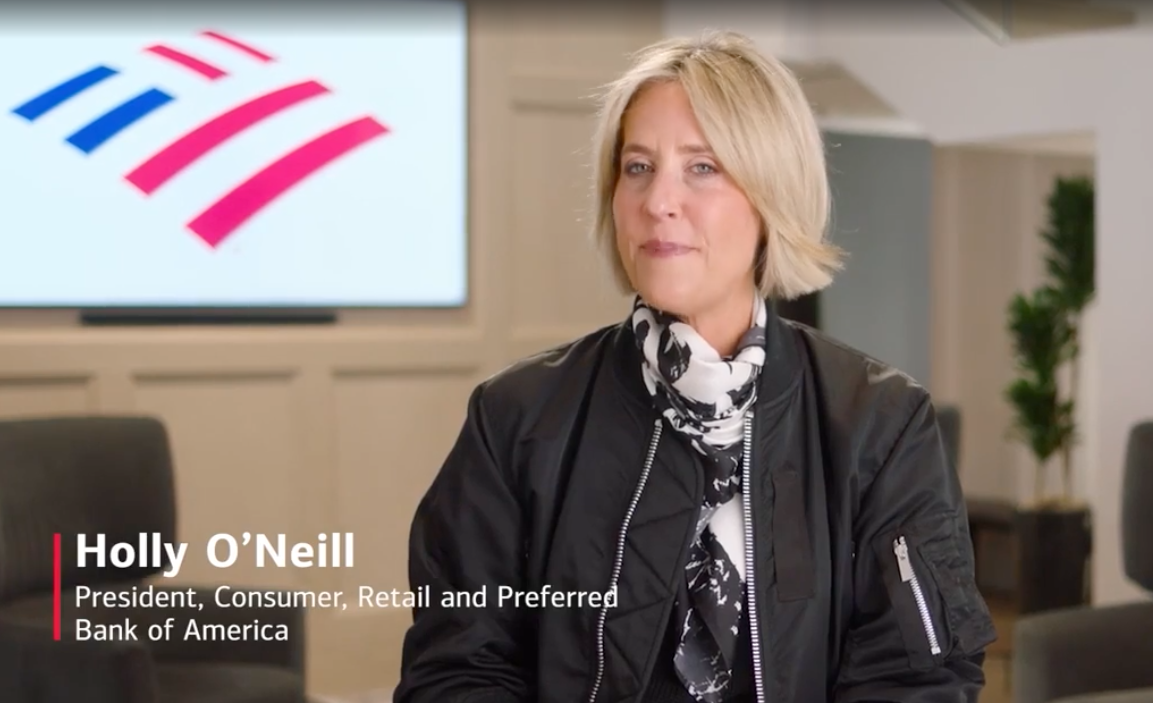
“Gen Z knows money stress is real, but they are meeting it head-on,” said Holly O’Neill, president of consumer banking at Bank of America. “They are budgeting honestly, cutting back when needed and having real conversations about money as they work toward their goals.”
Cost of living remains a top strain
The cost of living remains a major obstacle, with 49% citing it as a top barrier to financial success. Housing costs continue to weigh on Gen Z, with nearly 30% identifying rent or housing as a top challenge. Bank of America Institute also found Gen Z is especially exposed to rising gas prices.
Even so, 66% said they are saving, up from 60% in 2024:
- 36% put any leftover money into savings when possible;
- 22% contribute to a 401(k) account, and
- 21% put a set percentage of their paycheck into a savings account every month.
- 21% put a set percentage of each paycheck into savings every month.
Dating takes a back seat to finances
More than half, 51%, said they spend nothing each month on romantic dates, while 14% spend less than \$50.
Among those spending less than \$50, 24% said they are not interested in dating and 15% said they cannot afford it.
- Nearly a quarter (24%) are delaying moving relationships forward because of their financial situation.
- 74% say financial responsibility is important in a partner, and 43% view irresponsible spending as a dealbreaker (compared to 33% of Millennials).
Gen Z talks openly about money
Gen Z is adjusting social habits and talking more openly about money as it works toward financial goals:
- 75% of Gen Z take active steps to save money when making social plans.
- 42% practice “loud budgeting,” being vocal with friends about what social outings they can and cannot afford.
- 60% say they talk about money with their friends, covering historically taboo topics like salary (27%) and financial stress (24%).
Asked how they would use an extra \$300 a month, 54% said they would put it into savings, more than Millennials, Gen X and baby boomers.
Small splurges still bring guilt
Most Gen Z respondents, 92%, said they still treat themselves, and 52% do so at least weekly. But 41% said they feel financial guilt at least once a week, and 40% said they seek validation from family or friends before or after making a purchase.
About the 2026 Better Money Habits® Gen Z report
The annual study is based on a nationally representative survey of Gen Z adults, ages 18 to 29, conducted in English and Spanish across the United States.
Better Money Habits offers free financial education resources on budgeting, goal setting and long-term financial independence.
Methodology
Ipsos conducted the online survey Feb. 10-28, 2026, among more than 2,000 U.S. adults, including 1,133 Gen Z adults ages 18 to 29. The margin of error was plus or minus 3 percentage points at the 95% confidence level.
Results were weighted to reflect U.S. population benchmarks across key demographic groups.
Better Money Habits
Better Money Habits is Bank of America’s free financial education platform, offering tools and information to help people budget, build credit and plan for the future, including resources in Spanish.
Bank of America
Bank of America is one of the world’s largest financial institutions, serving consumers, small businesses and large companies with banking, investing, asset management and other financial services.
Treasure Coast Business is a news service and magazine published in print, via e-newsletter and online at tcbusiness.com by Indian River Media Group. For more information or to report news email news@indianrivermedia.com.